Duvel Moortgat
The story of Duvel-Moortgat goes back to 1871, where Jan-Leonard Moortgat, a descendant of a brewing family from Steenhuffel, stands together with his wife Maria De Block at the cradle of the then Moortgat farm brewery. In the early years, Jan-Leonard tries to sell a series of top-fermentation beers such as Stavelot. With varying degrees of success. Over time, Jan-Leonard manages to build up a loyal customer base, not only in the Breendonk area, but even among the Brussels bourgeoisie. In 1900, sons Albert and Victor joined the business. The tasks are neatly divided: Albert becomes the brewer, Victor takes care of the delivery to Brussels by horse and cart.
The First World War brings Belgium into contact with English Ales. Albert decides to design a specialty beer based on the English model. He only wants to work with the best ingredients for this and goes to Scotland in search of the ideal yeast strain. He initially encounters a lot of opposition from the local brewers, but eventually gets his hands on a sample from a local brewery in Scotland. Cultivated yeast from the same strain is still used to this day!
The 2 brothers keep experimenting until the recipe is perfect.
The new beer was originally named "Victory Ale" thanks to the end of the World War.
This innovative beer really surprises everyone. During a tasting session with the notables of the village, the shoemaker exclaims: “This is a real Duvel.” A divine inspiration? From 1923, the beer was therefore marketed under the name DUVEL, which was not evident in Catholic Flanders at the time.
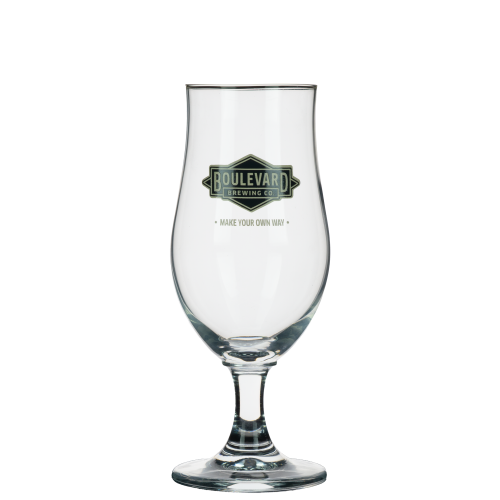
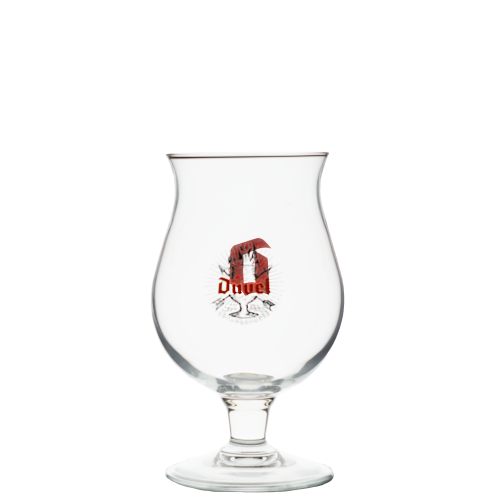
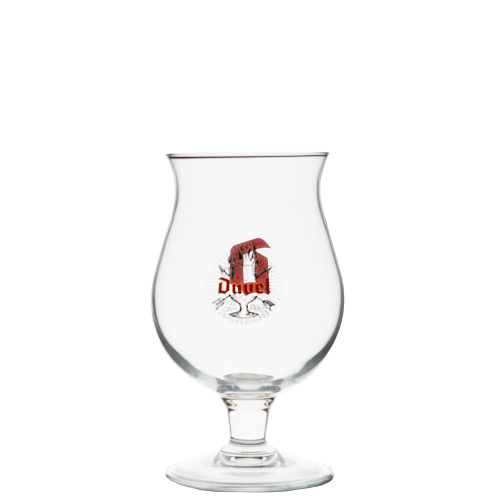
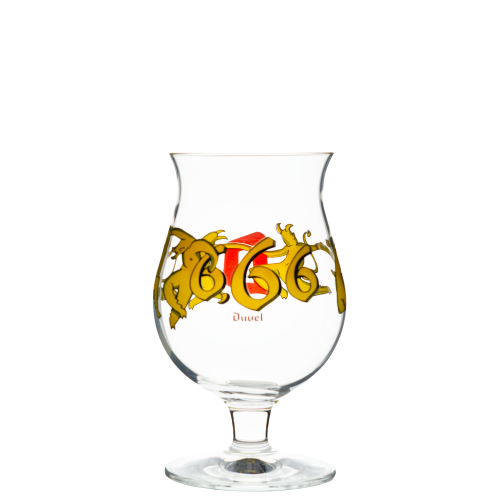
The third Moortgat generation is convinced that a unique beer also deserves a unique glass. At the end of the 1960s, the well-known Duvel glass, which is reminiscent of a wine tasting glass, was invented. Among other things, it had to allow a bottle of 33cl to be poured completely. After all, there were no beer glasses of such size until then. The glass is fully geared to an even more complete experience of the beer: The convex shape allows the heavenly taste and aroma of Duvel to come into its own during a tasting. Because the glass closes upwards, it also contributes to the retention of carbon dioxide and therefore of the head.
The Moortgat family consistently invests in the brewery to guarantee the perfect quality of the beer. Partly because of this, Duvel is receiving worldwide recognition as the reference for specialty beer with refermentation in the bottle.
At the end of the 1990s, the fourth generation takes the helm and resolutely opts for an international course.
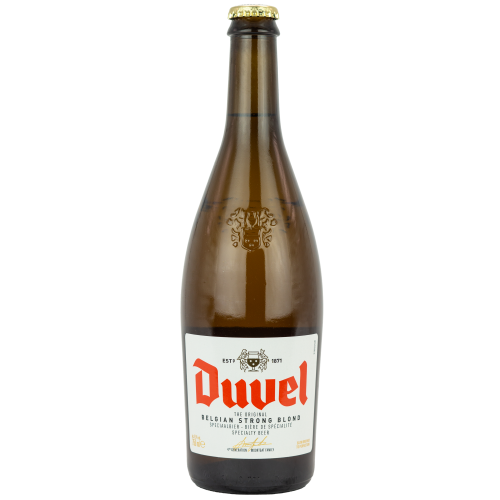
Duvel production started in 1923 with only a few crates. Today literally worldwide (in more than 60 countries) countless beer lovers enjoy Duvel. The beer is still brewed with deep respect for the original recipe and maturation periods.
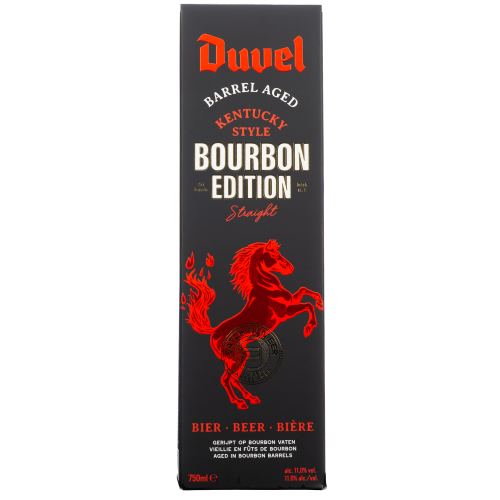
Products from Duvel Moortgat
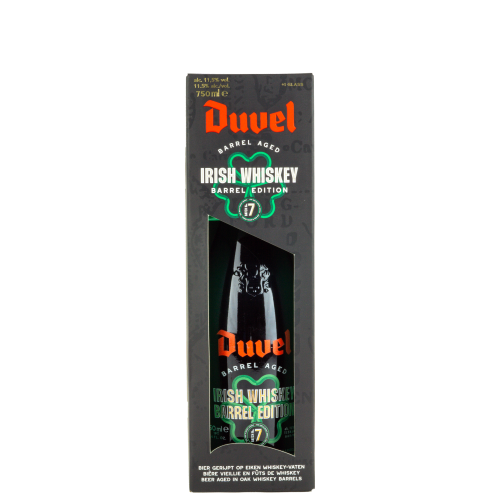
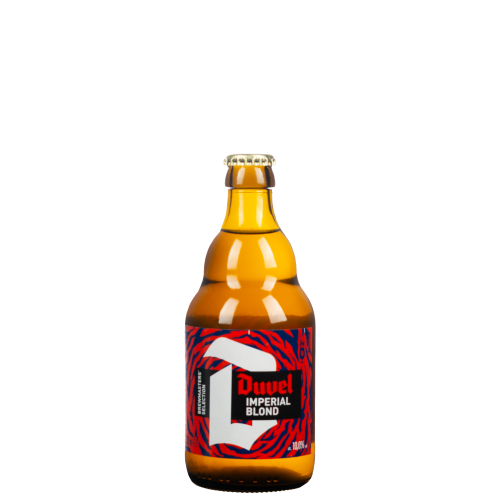
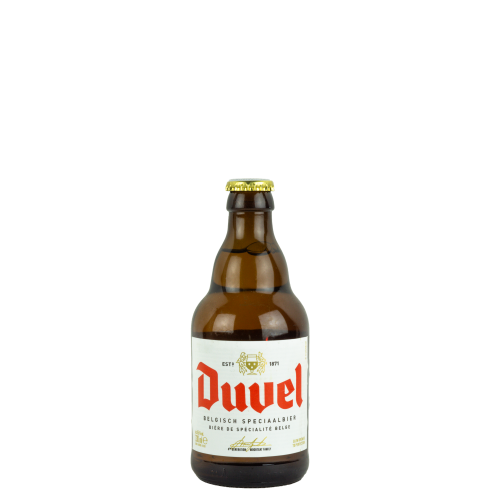
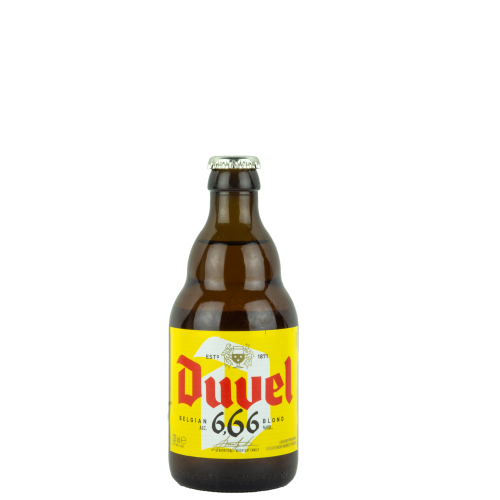
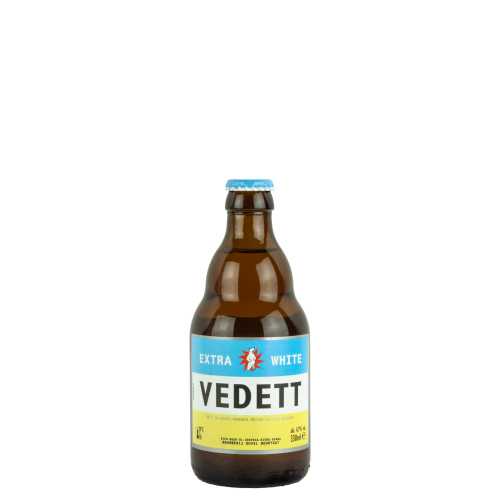
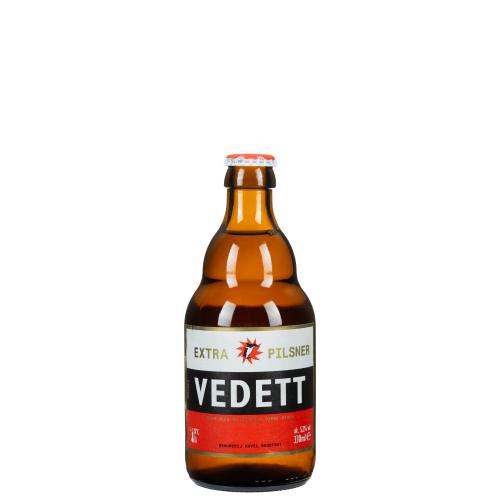
This is how Duvel beer (and brewery Duvel Moortgat) was born
In 1871, Jan-Leonard Moortgat, descendant of a brewing family from Steenhuffel, and his wife Maria De Block brewed their first top-fermented beers. They had limited local success. But thanks to his craftsmanship, brewing passion and perseverance, Jan-Leonard managed to build a loyal customer base.
Around the turn of the century, business was doing well. Jan-Leonard’s sons, Albert and Victor, joined the company—Albert as brewer, Victor as beer distributor, still using a horse and cart. During the First World War, English ales gained popularity in Belgium. Albert obtained a yeast strain from a local brewer in Scotland, which is still in use today.
Inspired by English ales and the end of the war, Moortgat launched Victory Ale. During a tasting session with local dignitaries, a surprised shoemaker named Van De Wouwer exclaimed it was a “real Duvel.” The Moortgat brothers renamed their beer—also as an answer to the growing popularity of abbey beers. In 1970, the dark beer was replaced with the blonde version we know today. Its importance was solidified when the company went public in 1999 as Duvel Moortgat.
The Duvel glass, Duvel Tripel Hop and Duvel 6.66%
Duvel’s major breakthrough came in the 1970s. At that time, the third generation of the Moortgat family—Bert, Marcel, Leon and Emile—was already involved in the business. They gave Duvel its iconic beer glass. The rounded tulip shape resembles a wine glass and holds an entire 33 cl bottle. It also enhances the beer’s flavor and aroma and helps create a perfect head. A laser-etched letter from the Duvel logo on the bottom of the glass promotes extra carbonation.
In the 1960s, Moortgat started brewing the Green Duvel or Duvel Green, with an ABV of 7%. It was developed for the Gentse Feesten (Ghent Festival), where there was demand for a lighter beer. It was bottled without refermentation and sold in 25 cl bottles. Production ceased in March 2021.
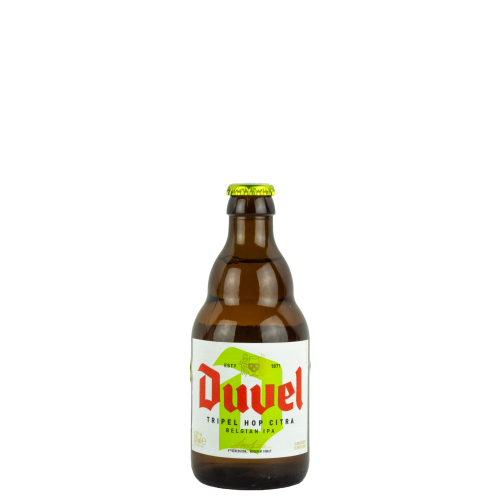
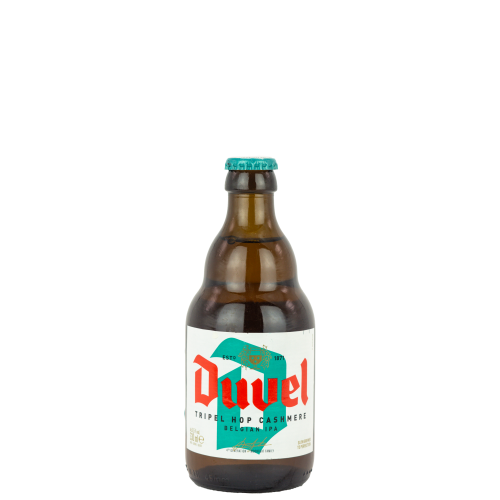
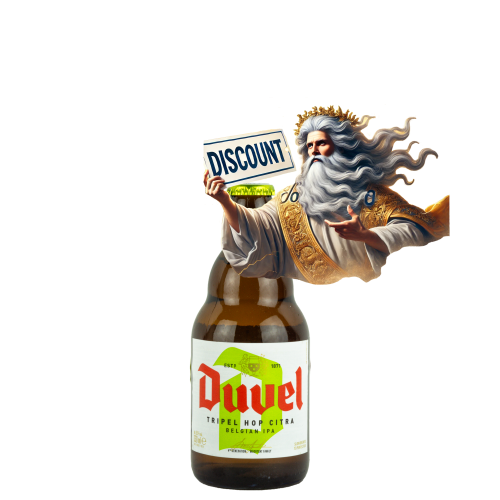
The Duvel Tripel Hop (9.5% ABV) was originally intended as a one-time brew. Starting in 2012, it was released annually, each time with a different hop variety. In 2016, beer lovers voted the Citra edition as the best. Since 2020, the version brewed with American Cashmere hops has been added to Duvel Moortgat’s permanent range.
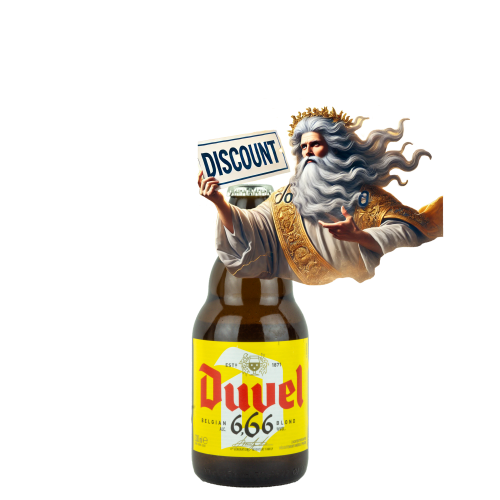
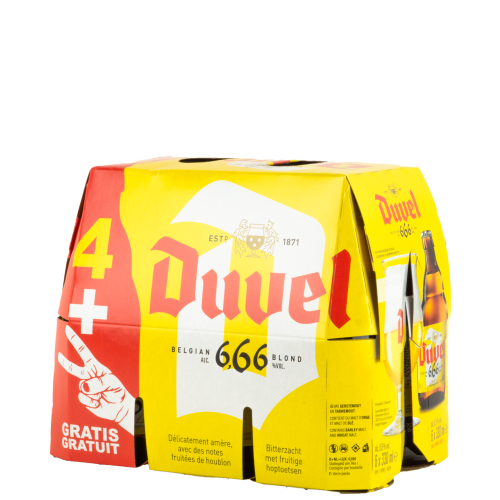
In 2021, the family brewery celebrated its 150th anniversary with a special release: Duvel 6.66%, named after its alcohol percentage, the number of the devil, and the six types of hops it contains.
The wide assortment of Duvel Moortgat
In addition to Duvel, Moortgat brews several other beers. In 1930, it launched the luxury pils Extra Blond. From 1976 to 1991, it was known as Extra Pilsner before taking its final name: Bel Pils. This Belgian pilsner gets its signature bitterness from Czech Saaz hops.
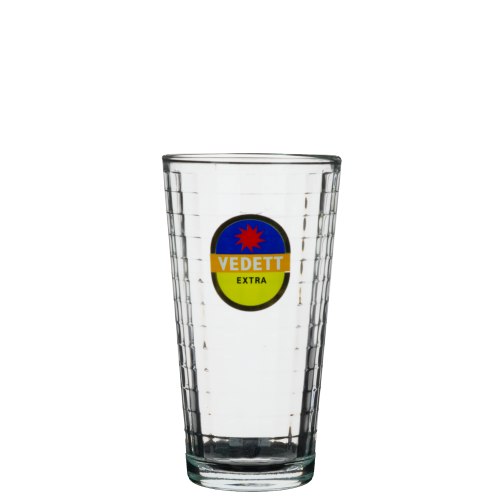
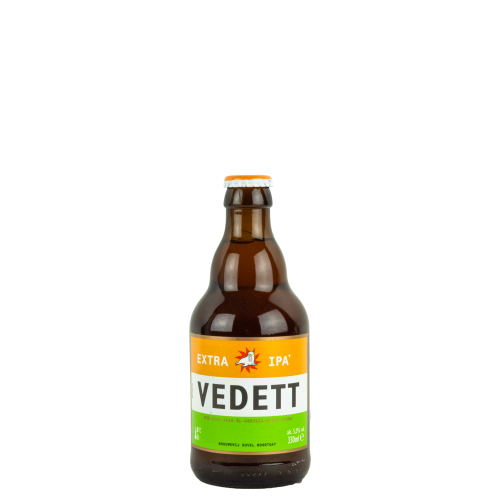
After World War II, Moortgat began producing export beers. One of them became so popular that in 1965 it was introduced locally under the name Vedett. In 2003, Duvel Moortgat relaunched it with a trendy and slightly absurd image.
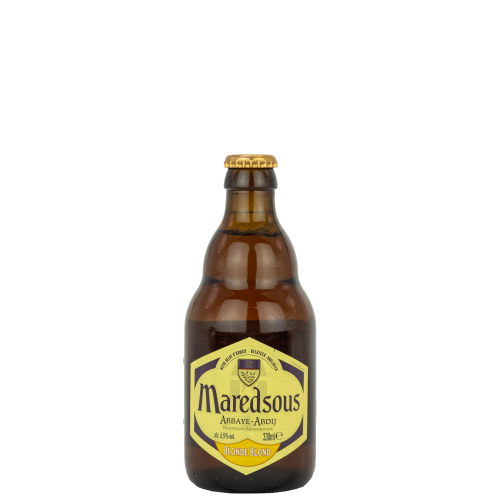
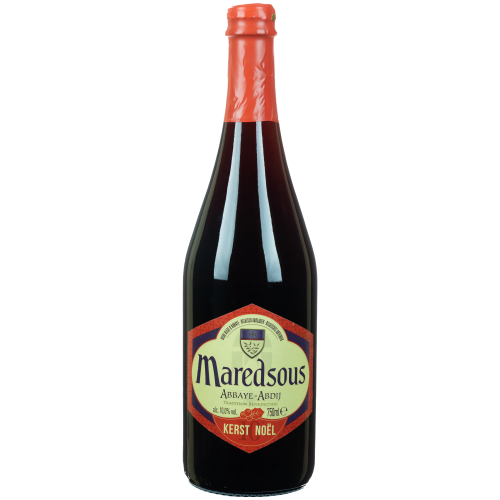
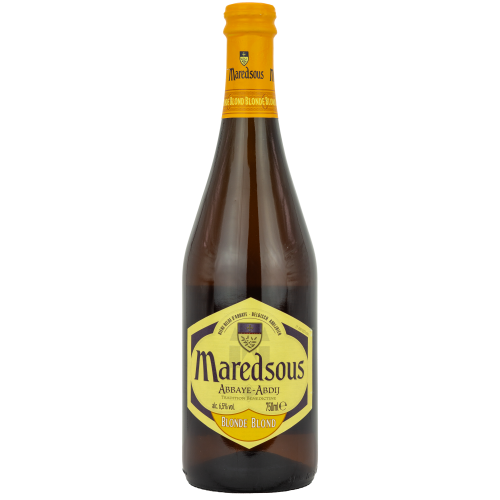
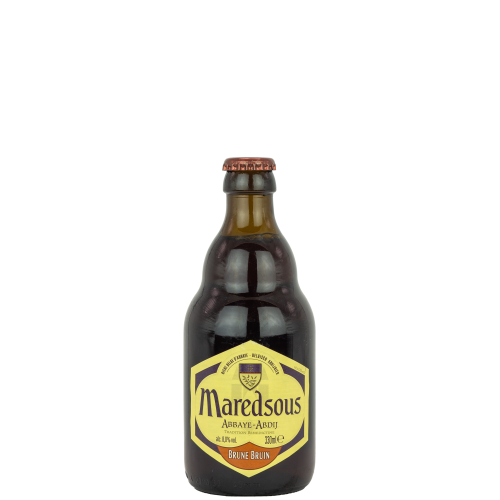
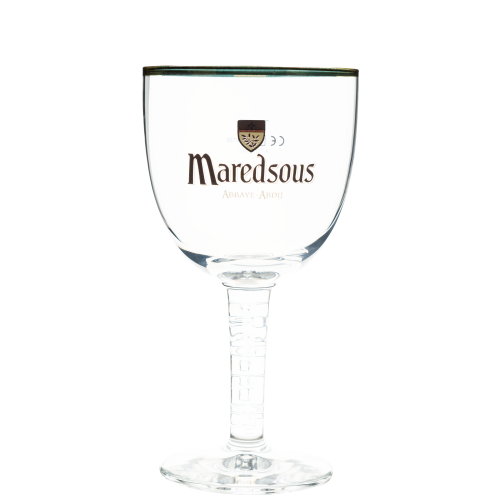
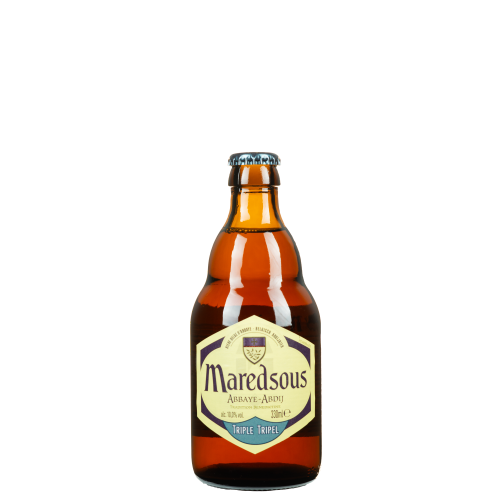
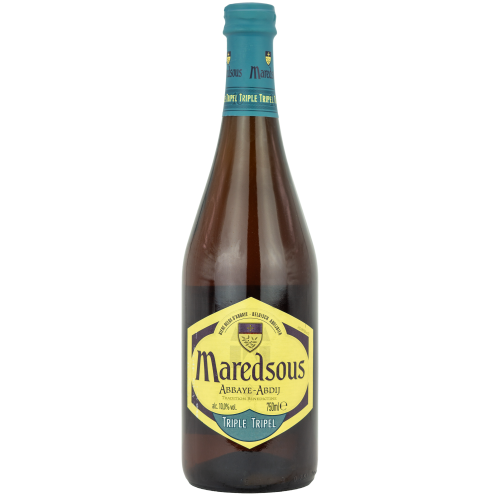
Since 1963, Moortgat has also been responsible for brewing, bottling, and marketing the abbey beers of Maredsous. These are brewed under license from the "Fromagerie et Brasserie de Maredsous" and closely monitored by the monks. The range includes a blonde beer (6%), a dark beer (8%), and a tripel (10%).
Duvel Moortgat in Belgium and beyond
In the mid-1970s, Duvel Moortgat began exporting to neighboring countries. Today, in addition to its brewery in Breendonk (Puurs-Sint-Amands), the group operates 13 sites with more than 2,000 employees worldwide.
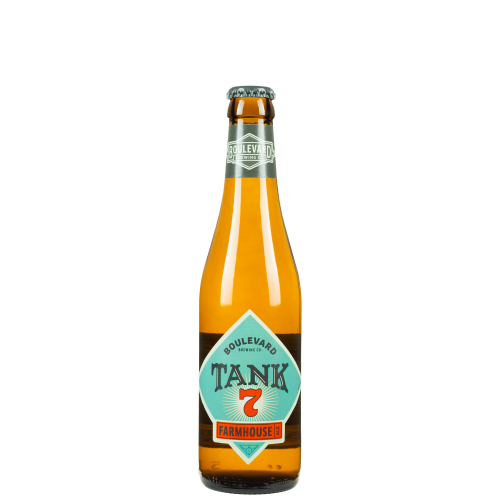
In 2001, Duvel Moortgat acquired a 50% stake in Brewery Bernard in the Czech Republic—the homeland of pils and the country with the highest average beer consumption. Bernard’s premium beers are now available in most Czech supermarkets. This was followed by acquisitions including Firestone Walker, Boulevard Brewing Co., and Ommegang Brewery in the U.S., ’t IJ in Amsterdam, and the Vedett brewery in Tianjin, China.
In Belgium, Duvel Moortgat acquired in 2006 Brasserie d’Achouffe in Wallonia, in 2008 the bankrupt Liefmans brewery in Oudenaarde, and in 2010 De Koninck city brewery in Antwerp. The group now boasts an impressive portfolio of beer brands including Duvel, Vedett, Chouffe, Bolleke, and Liefmans Kriek.
Today, the fourth generation leads the family-owned Duvel Moortgat. They have successfully steered the company toward international growth. Over 100 years ago, Duvel was brewed in small batches. Now, fans in more than 60 countries enjoy the iconic Belgian specialty beer with bottle refermentation.