Brouwerij Belle Vue - Ab Inbev
Brewery Belle-Vue, located in Sint-Pieters-Leeuw, is a well-known Belgian brewery that is now part of InBev Belgium, the Belgian branch of AB InBev. The brewery is best known for its lambic beers and has a rich history dating back to the beginning of the 20th century.
In 1913, café owner Philémon Vanden Stock from Itterbeek started making fond-geuze. He set up his gueuze blendery in the centre of Brussels, where he bought lambic wort from local brewers. In 1927, he acquired the café-brasserie “Belle-Vue” in Anderlecht, founded in 1890. The name Belle-Vue later became both the brand name of his beers and the company name from 1949.
In 1943, Philémon took the next step and took over the Frans Vos-Kina brewery in Sint-Jans-Molenbeek, effectively becoming a brewer. However, his activities were abruptly halted when he was deported by the German occupiers in 1944. He died in 1945 in the Sandbostel concentration camp.
After his death, his son Constant Vanden Stock, later also known as chairman of football club RSC Anderlecht, and son-in-law Octave Collin took over the management. Under their leadership, the brewery switched to an innovative style: sweetened, pasteurised and saturated lambic beers, bottled in small bottles with crown caps — better known as "capsulekensgeuze". This variant became particularly popular and gradually replaced the traditional gueuze.
Belle-Vue's growth was boosted by a series of takeovers. For example, in 1952 the brewery took over the lambic brewery De Coster from Groot-Bijgaarden, in 1955 the brewery of Frans Timmermans from Zuun (Sint-Pieters-Leeuw), in 1969 Brasseries Unies De Boeck-Goossens (a merger of eight Brussels breweries) and in 1970 Brabrux (with Van Haelen, De Keersmaeker and La Bécasse, among others). In 1975, Brouwerij De Neve from Schepdaal followed, where gueuze was still made in the traditional way.
At the same time, the Vanden Stock family entered into a partnership with the Artois brewery, which took on the distribution of the beers in exchange for a minority stake. This ultimately led to the full integration into Interbrew (now AB InBev) in 1991.
After 1968, Belle-Vue established itself on the Henegouwenkaai in Sint-Jans-Molenbeek, on the site of a brewery that had existed since 1842. This site had several owners, including Louis & Emile De Coster and De Gulden Posthoren. The brewery was thoroughly renovated between 1931 and 1935 by architect R. Serrure. After the takeover by Interbrew, the brewing process at this location came to a standstill, and in 1996 the activities were completely stopped. Since 2013, the building has been repurposed as a sustainable hotel, operated by Meininger Hotels.
In Zuun (Sint-Pieters-Leeuw), on the former site of the Timmermans brewery, Belle-Vue built a new, modern brewery from 1972 onwards, which became operational in 1975. After the integration into Interbrew, the emphasis here was increasingly placed on the fermentation and maturation of lambic, which made this site the new heart of Belle-Vue.
Products from Brouwerij Belle Vue - Ab Inbev
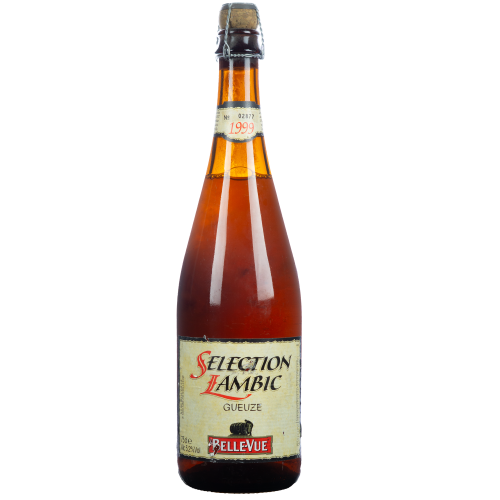
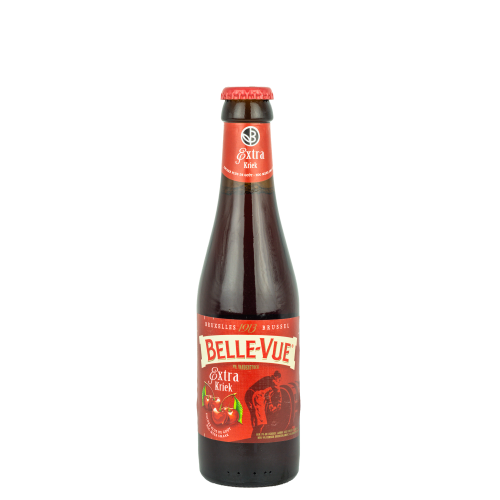
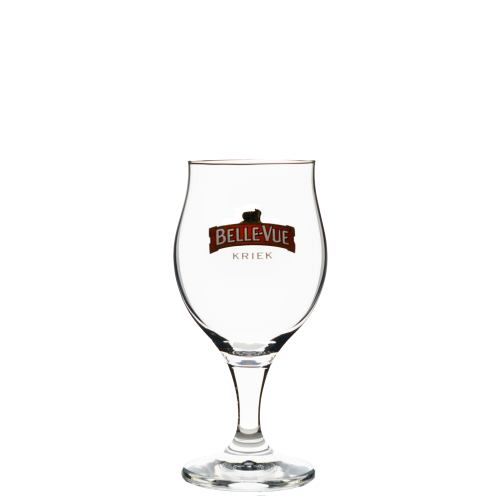
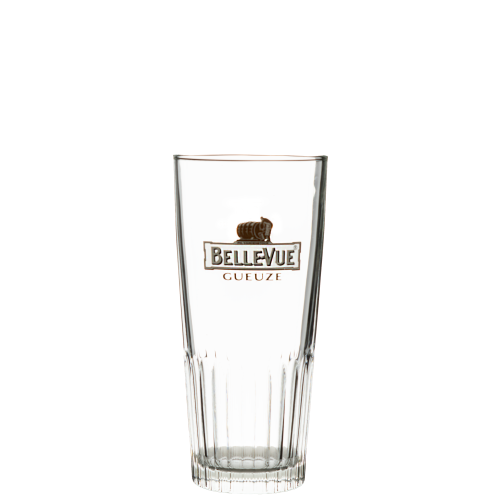
Buy Belle-Vue beers in our webshop
Belle-Vue still stands for authentic gueuze, lambic and kriek. Make your choice above and order your favourite beer at Belgian Beer Heaven. Belle-Vue Gueuze is also part of our Heavenly Gueuze Selection.
- Safe and secure online ordering and payment
- Free collection or fast delivery
- Order before noon, shipped the next working day
- Compact and sturdy packaging
- Shipment includes insurance against glass breakage
The origins of the Belle-Vue brewery
In 1913, pub owner Philémon Vanden Stock from Itterbeek began blending gueuze. He purchased lambic wort from local brewers and opened his gueuze blending workshop in the centre of Brussels. In 1927, he took over the Belle-Vue café in Anderlecht, which still exists today. The café later gave its name to the gueuze blendery.
During the Second World War, Philémon acquired the Frans Vos-Kina brewery in Molenbeek-Saint-Jean and began brewing. As a member of the resistance, he was deported to Germany. In May 1945, he died in the Sandbostel prisoner-of-war and concentration camp, just days after its liberation.
The successful marriage between Belle-Vue and Anderlecht
His son, Constant Vanden Stock, and his son-in-law, Octave Collin, took over management after his death. They transformed Belle-Vue into a leading lambic brewery by sweetening gueuze and making it more accessible to a broader audience.
The “capsule gueuze”, bottled in small bottles, soon replaced traditional gueuze. Vanden Stock invested the brewery’s profits into his football club, RSC Anderlecht, with which he won five European trophies. During these successful years, Belle-Vue appeared proudly as the main sponsor on the purple-and-white shirts.
Acquisitions of the Belle-Vue brewery
Belle-Vue continued to grow thanks to a series of takeovers, such as the lambic brewery De Coster in Groot-Bijgaarden (1952), the former Timmermans brewery in Zuun (Sint-Pieters-Leeuw, 1955), the United Breweries De Boeck-Goossens in Brussels (1969), Brabux — a fusion of several local companies (1970) — and the De Neve brewery in Schepdaal (1975). In 1972, Belle-Vue built a modern production facility in Zuun, where the lambics have fermented and matured since 1975.
While Constant Vanden Stock dedicated much of his time to Anderlecht, his son Roger and his nephew Philippe Collin, son of his business partner Octave, took over the daily management of the brewery. Throughout these years, Artois Brewery from Leuven, producer of Stella Artois, handled distribution. In 1991, the Vanden Stock family sold the brewery to Interbrew, formed by the merger of Artois and Piedboeuf. Today, Belle-Vue forms part of the brand portfolio of AB InBev.
Wide selection of Belle-Vue beers at Belgian Beer Heaven
AB InBev provided the expansion and modernisation needed to keep Belle-Vue commercially viable, while preserving Belgian beer heritage. Belle-Vue’s gueuze, lambics and krieks are still brewed in the Brussels Senne Valley. The unique wild yeasts of the region cause spontaneous fermentation in wooden barrels, producing the characteristic tartness of these beers.
- Belle-Vue Gueuze: a gueuze (a blend of young and old lambic) with an alcohol content of 5.5%.
- Belle-Vue Kriek Extra: this young lambic infused with cherries is a sweeter version of the classic kriek, with 4.3% ABV. Introduced in 2004 as the successor to Kriek Primeur and as a response to the growing competition from breweries such as Lindemans Brewery.
These well-known Belle-Vue beers are no longer available:
- Belle-Vue Kriek: a deep red fruit beer based on lambic, with 5.2% ABV.
- Belle-Vue Framboise: a fruit beer flavoured with raspberries, with 5.7% ABV.
- Belle-Vue Framboise Extra: a lighter and sweeter version of Belle-Vue Framboise, with 2.9% ABV.
At Belgian Beer Heaven, you can also purchase the matching beer glass, allowing you to enjoy your Belle-Vue beer just as its brewers intended.